
It can seem like a challenge to pick the right olive oil when you’re standing in front of supermarket shelves packed with dozens of bottles. There is a huge range of olive oils from many countries in the UK, at a range of prices and quality levels. This guide will teach you everything you need to choose the right olive oil.
What Are the Olive Oil Grades?
The grading system of olive oil exists to classify oils based on production methods, acidity levels, and taste quality. These differences help you figure out what you’re getting and whether the price is fair for the quality.
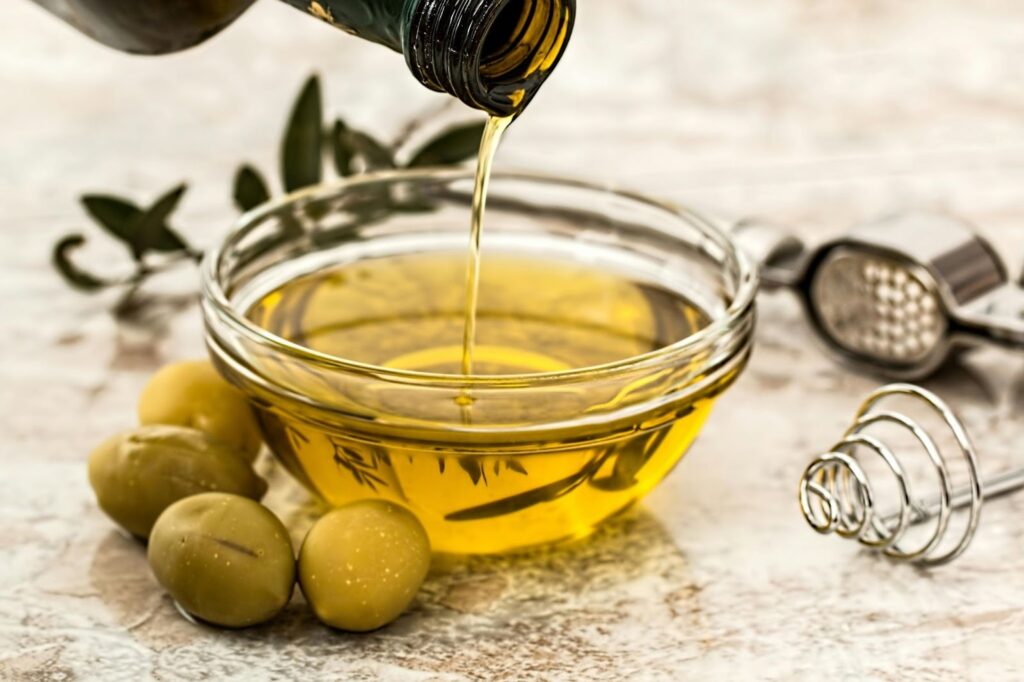
Extra virgin olive oil
Extra virgin olive oil is the highest quality grade available, so it is the best olive oil UK consumers can purchase. There is no heat or chemicals used in the production of extra virgin olive oil, and it has no defects with its taste or smell.
It comes from the first pressing of olives. The acidity level must stay below 0.8%, which indicates superior quality and careful production. You can use extra virgin olive oil for salad dressings and gentle cooking, though it’s best appreciated in dishes where its flavour shines through.
Virgin Olive Oil
The second level of quality is virgin olive oil, which is also manually pressed without using chemicals. However, it may have slight taste defects and can contain up to 2% acidity. Production methods remain natural, but the final product doesn’t meet the strict flavour and aroma requirements of extra virgin classification.
In British stores, this grade won’t be found as often as extra virgin kinds. Virgin olive oil is still good for cooking, where the taste isn’t the most important thing.
Refined Olive Oil
Refined olive oil is subjected to chemical treatment to eliminate defects, taste issues and high acidity. During the refining process, the oil loses most of its natural flavour, colour and beneficial properties that make olive oil a valuable product. The result is an oil with a neutral flavour that can withstand higher temperatures during cooking.
By the way, many bottles labelled simply as “olive oil” contain a blend of refined and virgin oils. These blended products sit somewhere between refined and virgin in terms of quality and price.
Pure or Light Olive Oil
This type of olive oil usually contains mainly refined oil mixed with a small amount of extra virgin oil to add flavour. Pure or light olive oil has a light colour and a milder taste. These oils undergo significant processing and lose most of the beneficial substances contained in extra virgin olive oil.
Key Quality Indicators to Look For
There are a few important things that set great extra virgin olive oil apart from average ones that you can look for in UK shops. These quality markers aren’t just marketing terms; they reflect real differences in how the oil was produced, stored, and handled.
Essential quality signs in the best olive oil brands:
- Production date clearly marked. Fresh extra virgin olive oil tastes better and contains more beneficial compounds.
- Dark glass bottle or tin packaging. Such glass protects oil from light damage, which breaks down flavour compounds and beneficial properties. Clear bottles compromise quality unless stored in dark conditions.
- Third-party certification marks. PDO, PGI, or organic seals demonstrate compliance with quality standards and traditional production methods.
- Detailed producer information. The best extra virgin olive oil labels include details about the producer, olive varieties used, and specific growing regions.
- Appropriate price point. Very cheap oils rarely meet high standards. Mid-range bottles around £8-12 per 500 ml typically offer good quality for everyday use.
How to Decode Olive Oil Labels
You can find really great extra virgin olive oil in UK stores if you know what the labels are saying. Below are the important label terms and their meanings:
- PDO (Protected Designation of Origin). This EU certification suggests a strong focus on the quality of production.
- PGI (Protected Geographical Indication). The product’s reputation links to a particular area, though some production stages may occur elsewhere. Still indicates geographical connection and quality standards.
- Organic certification. Olives were grown without synthetic pesticides. Various certification bodies operate across Europe, and their logos confirm compliance with organic standards.
- Single estate. Oil comes from olives grown on one specific farm, offering excellent traceability and often consistent quality year after year.
- Unfiltered. Small olive particles are left in the oil because some people think they add taste. However, they may make the oil cloudy and shorten its shelf life.
Best Places to Buy Quality Olive Oil in the UK
There are a lot of places to shop in the UK market to find the best olive oil that people can buy. You can get the right amount of quality for your needs and budget if you know where to shop.

Major Supermarkets
The easiest way for people in the UK to get the good extra virgin olive oil they need for everyday cooking is to shop at stores. Chains like Waitrose, Sainsbury’s, Tesco, M&S, and Morrisons stock reliable brands alongside their own-label ranges.
Supermarket own-labels often surprise shoppers with excellent quality, particularly premium ranges like Tesco Finest and M&S Select Farms. Major brands like Filippo Berio, Belazu, and Napolina provide consistent quality at moderate prices. Mid-range bottles around £8-12 per 500 ml typically hit the sweet spot for regular cooking needs.
Specialist Food Halls
For premium selections and expert guidance, specialist food halls offer curated collections of the best extra virgin olive oil from renowned producers. Fortnum & Mason, Selfridges Food Hall, Harrods, and Harvey Nichols stock estate-bottled Italian olive oil.
These vendors know how to choose olive oil with provenance and unique qualities. You’ll pay more, but the quality is worth it for special meals or gifts. Many sell unique items from small-batch producers and limited-harvest oils.
Speciality Shops
Local delicatessens and Mediterranean food shops provide carefully chosen olive oil UK collections with personal service. These independent retailers often build relationships with smaller producers. Shop owners typically taste products before stocking them and can explain differences between various styles and regions.
Online Retailers
Online shopping opens access to the widest range of extra virgin olive oil UK buyers can find, including small-batch producers and estate-bottled oils not available in physical shops.
Specialist websites like The Olive Oil Co., Sous Chef, and Mediterranean food importers offer detailed tasting notes, harvest information, and customer reviews to guide your selections. Many producers ship to UK customers and offer subscription services for regular deliveries. Moreover, online retailers frequently offer better prices for bulk purchases.
Final Thoughts
Choosing the best olive oil UK shops requires only a few details. Look for extra virgin olive oil with a clear origin, current harvest dates, and a black glass bottle. Try a smaller bottle of good oil instead of a large one. Use oil within a few months of opening. Check labels for PDO or PGI certification, and store away from heat and light.
Quality Italian olive oil transforms simple dishes into memorable meals. It adds depth to vegetables, enriches pasta, and provides genuine nutritional benefits that inferior oils simply cannot deliver. Cheap, badly preserved oil is very different from the fresh, quality extra virgin olive oil UK stores offer. Once you try good oil, you’ll never go back!